ALBURY WODONGA RESIDENTS WITH SHOULDER PAIN
Still Putting Up With Shoulder Pain - Even After Treatment?
If your shoulder has been painful for weeks, months or longer, you've likely experienced pain:
Sleeping on your painful side
Reaching overhead or behind your back
Getting dressed
Lifting or carrying things
Working around the house or garden
Exercising or going to the gym
You may have tried massage, dry needling, general exercises or strengthening — with limited relief.
Perhaps you’ve had an ultrasound of your shoulder and been told that bursitis or a tendon tear is the cause of your pain.
But what if there is a different explanation?
What if the reason your shoulder hasn’t improved is because no-one has identified the movements, exercises and postures that actually reduce your symptoms?
At Personal Best Physiotherapy we look for a pattern in your pain and movement that helps us answer some important questions:
Are particular movements or postures contributing to your shoulder pain?
Can a specific movement reduce your pain?
Can we improve a movement that is currently painful or restricted?
Is there one exercise that is more helpful than the others?
What changes can you make during your day to stop repeatedly aggravating your shoulder?
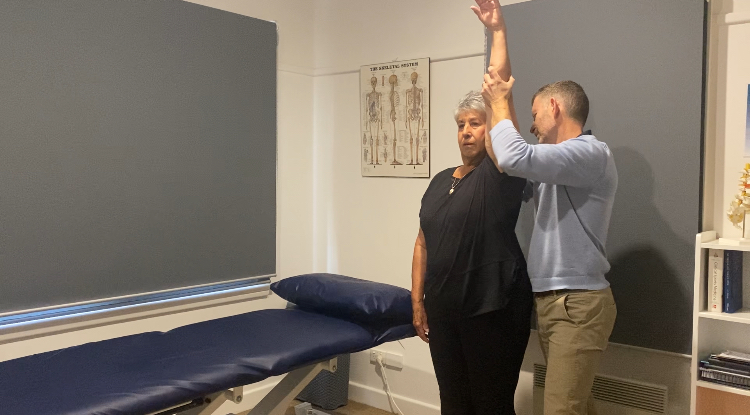
This is part of an internationally recognised approach to assessment and treatment called Mechanical Diagnosis and Therapy – also known as MDT or The McKenzie Method.
We want you to benefit from this very effective approach to treatment, which is why we’re offering a Free 15 Minute Shoulder Pain Screening Call with one of our experienced physiotherapists.
During the call, one of our senior physiotherapists will:
Listen to the history of your shoulder problem,
Find out how it is affecting your everyday activities,
Discuss the treatment you have already tried,
Discuss the results of your imaging (if you have imaging),
Answer your initial questions, and
Help you understand your most appropriate next step.
There is no obligation to book an appointment.
Our goal is to help you understand your options and decide on the most appropriate next step.
Complete the short form below to request your free screening call.
Helping Albury-Wodonga Locals Move Better Since 2010
Personal Best Physiotherapy has helped thousands of people from Albury, Wodonga and surrounding communities reduce pain and return to normal since 2010.
Shoulder Pain is the second most common problem we treat and we have a reputation for helping patients with shoulder pain when other approaches have failed.
All of our physiotherapists have additional training in Mechanical Diagnosis and Therapy (MDT) and we place a strong emphasis on helping patients understand and manage their own condition.
Read what our patients have to say about us below.
What Makes Our Approach Different?
At Personal Best Physiotherapy we use a treatment approach called Mechanical Diagnosis and Therapy (MDT), also known as The McKenzie Method.
This is a structured way of assessing pain and movement that does not rely on one test to decide how your shoulder should be treated.
Here are four ways that make MDT different from regular physiotherapy and other approaches:
1. We start with one targeted exercise
You won’t leave your first appointment with a long list of exercises.
Where possible, we begin with one carefully selected exercise—the one that produced the most positive response during your assessment.
We then monitor how your symptoms respond and adjust or progress the exercise if necessary.
This makes your program easier to understand, easier to complete and specific to what we found during your assessment.
2. We don’t begin with generic strengthening
Strengthening is important —but not usually the best starting point for patients with shoulder pain.
If your immediate problem is a painful or restricted movement, adding more load to your shoulder is unlikely to address the reason that movement hurts.
Our first priority is to find out whether we can:
- Reduce your pain
- Improve painful or restricted movement
- Reduce or centralise your leg symptoms
- Make everyday activities more comfortable
Once your movement and symptoms are improving, strengthening may become an appropriate part of your recovery.
3. We teach you how to help yourself
Our goal is to be as effective as possible in the fewest number of visits
We want you to understand:
- Which movements and positions affect your symptoms
- What to do when your pain increases
- How to manage everyday activities during your recovery
- Which exercise is most useful for you
- How to return safely to your normal activities
Success means restoring as much pain-free movement as possible and giving you one or two simple strategies you can continue using at home.
4. We don’t assume your scan explains your pain
An ultrasound may show a tendon tear or bursitis. These findings often don’t explain why your shoulder hurts doing one movement and feels better doing another. Or why your shoulder only hurts sometimes doing the same movement.
That’s why we consider your imaging alongside something equally important: How your symptoms behave when you move, particularly with repeated movements.
We look for changes in your pain, movement and function during your assessment. These responses provide critical information about how your problem should be managed.
Is This Screening Call Right For You?
This free screening call is suitable for you if:
You’re over 40 and frustrated by shoulder pain
Your symptoms have lasted for weeks, months or longer
Massage, dry needling or manipulation has provided only temporary relief
You’ve tried general back exercises or strengthening without much improvement
You’ve been told your ultrasound explains your pain but still don’t know what to do
You want to avoid relying on medication, injections or passive treatment
This approach is unlikely to suit someone looking only for massage or passive treatment without completing exercises or making changes between appointments..
Frequently Asked Questions:
Is the shoulder screening call really free?
Yes. There is no charge and no obligation to make an appointment.
Who will I speak to on the call?
You will speak to Nathan or Maneesha, both experienced physiotherapists at Personal Best Physiotherapy.
How long does the call take?
Aproximately 15 minutes. Enough time to get some important information from you about your history, how your shoulder problem is impacting you and what treatment you've tried so far.
Will I receive treatment during the call?
No. The purpose of the call is to understand your situation and discuss the most appropriate next step or steps for you.
What happens after the call?
If we believe our approach to treatment could help you, we'll give you the option to make an initial appointment. The decision is completely yours.
What if physiotherapy doesn't appear to be the best first step?
We'll do our best to point you in the right direction based on the information you provide.
Find Out Whether a Different Approach Could Help Your Shoulder.
Complete the short form below and a member of our team will contact you shortly.
Where is Personal Best Physiotherapy?
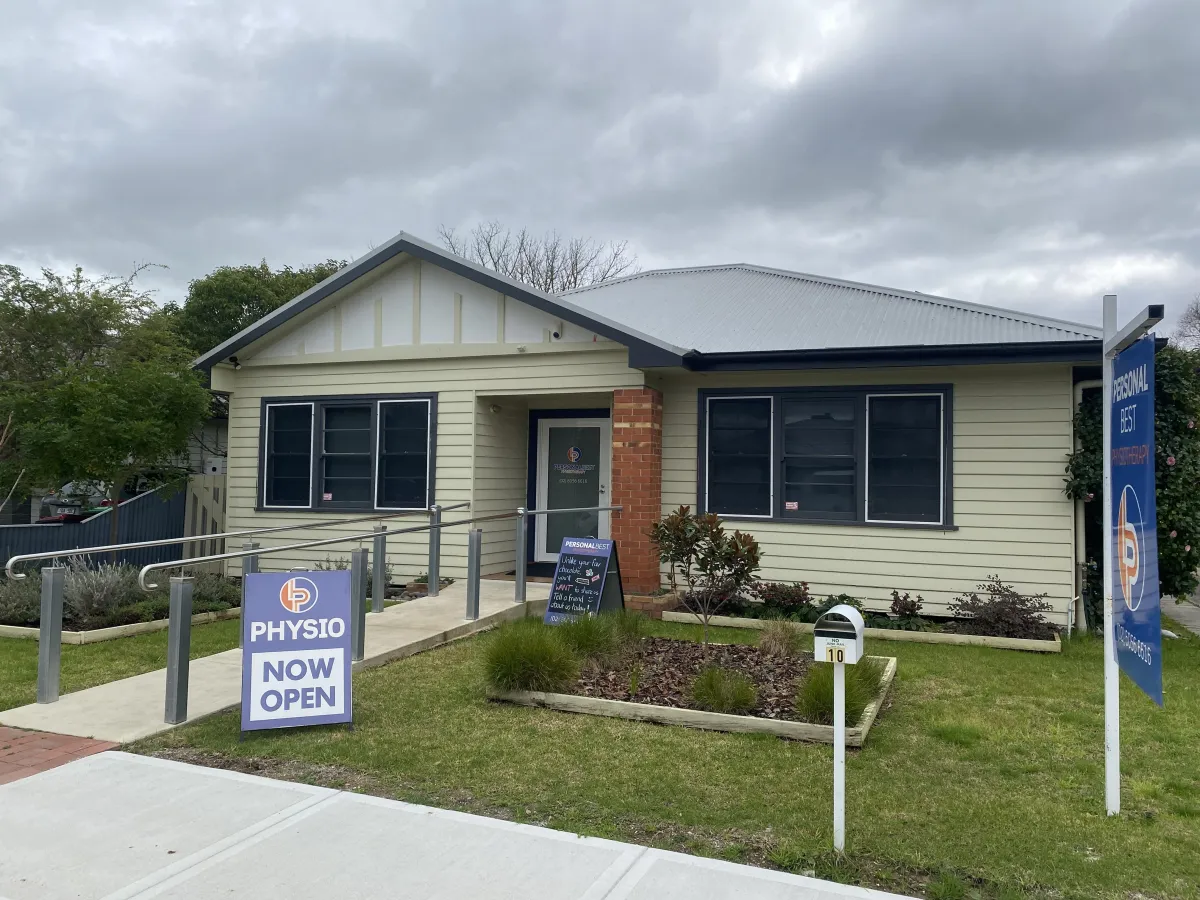
We are located at 10 Nilmar Avenue Wodonga, Victoria.